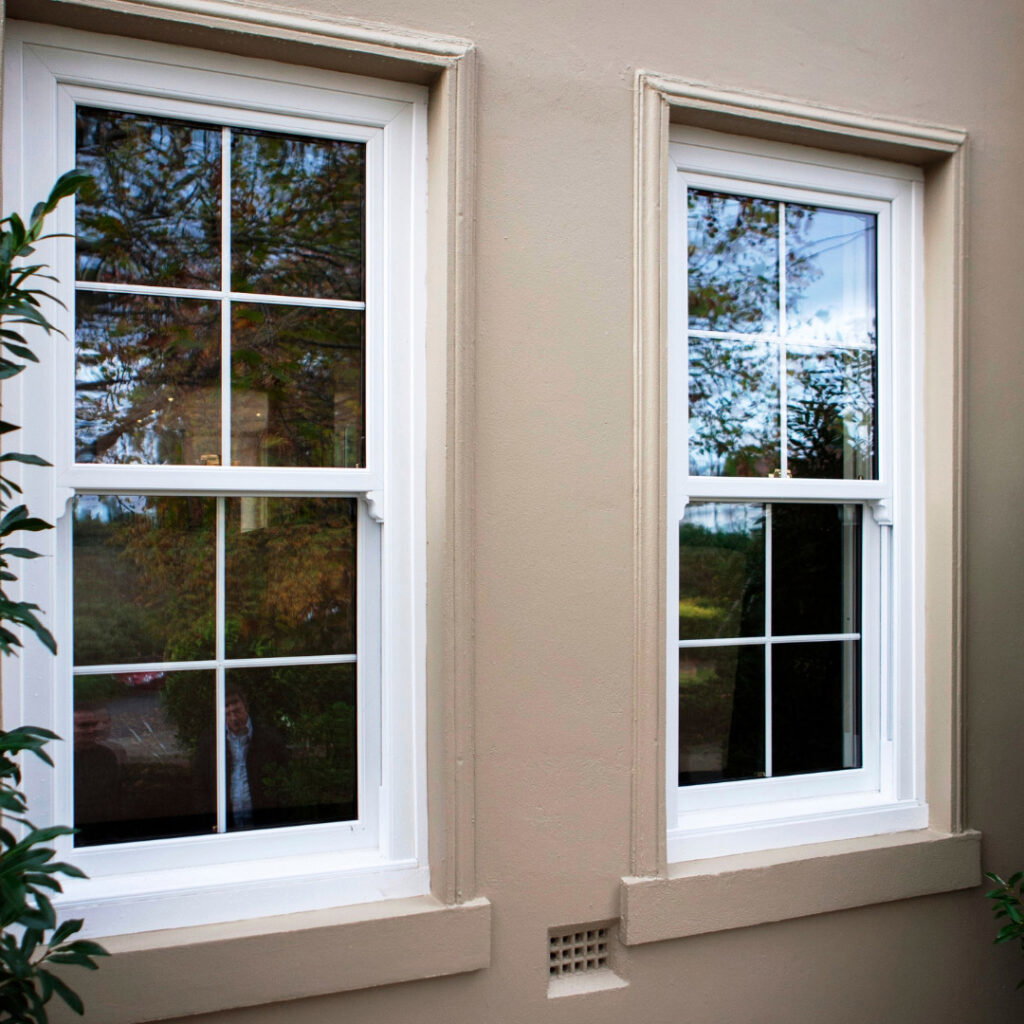
Choosing between single and double glazing can affect a property’s comfort, energy efficiency, noise control and overall window performance. When comparing aluminium windows with single vs double glazing, homeowners should consider the glass, frame, seals, installation and condition of the existing window system.
A professional glazier can assess whether a property would benefit from window repair, glass replacement, retrofit double glazing or complete window replacement.
Single Glazing for Aluminium Windows
Single glazing uses one pane of glass within an aluminium frame. It remains common in older homes, commercial properties and areas where basic glazing performance is sufficient.
Single glazed windows can be lightweight and economical. However, they generally provide less thermal insulation than double glazing, allowing more heat transfer between indoors and outdoors.
Older windows may also experience cracked glass, damaged seals, faulty locks, draughts or worn hardware. Some of these problems can be addressed through professional window repair without replacing the entire unit.
Double Glazing and Improved Window Performance
Double glazing uses two glass panes separated by an insulating air or gas-filled space. This design helps reduce heat transfer and can improve thermal insulation.
Double glazed windows can also provide better acoustic performance than basic single glazing. The exact results depend on glass thickness, the gap between panes, frame construction and installation quality.
For older aluminium windows, the frame must also be assessed before upgrading to double glazing.
Single Glazing vs Double Glazing: Key Differences
| Feature | Single Glazing | Double Glazing |
|---|---|---|
| Glass panes | One | Two |
| Thermal insulation | Basic | Improved |
| Noise reduction | Limited | Generally better |
| Heat transfer | Higher | Reduced |
| Energy efficiency | Lower | Generally higher |
| Initial cost | Lower | Higher |
The right option depends on the property’s location, existing frames, budget and desired performance.
Window Repair or Complete Replacement?
Not every damaged window requires replacement. Professional window repair may be suitable for broken glass, damaged seals, faulty locks, worn rollers, loose frames or difficult-to-operate windows.
A glazier can determine whether the problem is limited to the glass, hardware, seals or frame. Repairing a serviceable window can sometimes be more economical than installing a completely new system.
Glass Replacement for Aluminium Windows
Cracked or broken glass does not always mean the entire aluminium window needs replacing. If the frame remains sound, glass replacement may provide an effective solution.
Depending on the application, replacement glass may include toughened, laminated, Low-E, tinted or other specialised glazing.
Professional glass installation ensures the replacement pane is correctly measured and suitable for the existing frame.
Window Replacement for Older Aluminium Frames
Complete window replacement may be appropriate when frames are severely damaged, glazing performs poorly, hardware repeatedly fails or the existing system cannot accommodate an upgrade.
Replacing older aluminium windows can improve thermal insulation, security, weather resistance, appearance and window operation. It also provides an opportunity to select modern glazing that better suits the property.
Retrofit Double Glazing for Existing Windows
Retrofit glazing can sometimes improve existing window performance without replacing the complete frame. However, not every aluminium frame can accommodate a double glazed unit.
The existing frame, glazing rebate, available space, glass thickness and structural condition should be assessed before work begins.
Where retrofit double glazing is unsuitable, complete window replacement may provide a better long-term result.
Aluminium Frames and Energy-Efficient Glazing
Aluminium is durable and lightweight but can conduct heat efficiently. Modern thermally broken aluminium frames use insulating sections to reduce heat transfer through the frame.
Combining an appropriate aluminium frame with energy-efficient glazing can improve overall window performance. Options such as double glazing, Low-E glass and solar-control glass may be considered according to the property’s climate and orientation.
Residential and Commercial Glazing Solutions
Residential glazing can support renovations, new homes and window upgrades, while commercial glazing may involve offices, retail properties, strata buildings and shopfronts.
Glazing services can include window replacement, glass replacement, aluminium window repair, double glazing, safety glass, shopfront glazing and emergency glazing.
The appropriate solution depends on the building, safety requirements, existing frames and intended use.
Window Seals, Draughts and Moisture Problems
Failed window seals can cause draughts, water entry and condensation between double glazed panes. Moisture trapped inside an insulated glass unit can indicate seal failure.
Depending on the condition of the frame, a glazier may recommend replacing the failed glass unit rather than the complete window.
Choosing the Right Glazing Solution
Before choosing single or double glazing, consider:
- Existing aluminium frames
- Thermal performance
- Energy efficiency
- Noise levels
- Glass type
- Window orientation
- Security requirements
- Repair costs
- Installation requirements
- Long-term value
A professional assessment can help determine whether window repair, glass replacement, retrofit glazing or full window replacement is the most suitable option.
Get Professional Advice for Aluminium Window Repair and Replacement
Whether you need cracked glass replaced, damaged aluminium windows repaired, failed double glazing upgraded or an entire window system replaced, professional glazing advice can help you choose the right solution.
A qualified glazier can inspect the existing installation, explain the available options and recommend glazing that suits your property’s requirements.